
RPA and intelligent operations: redesign before automation
Linkfields Insights
21 March 2024
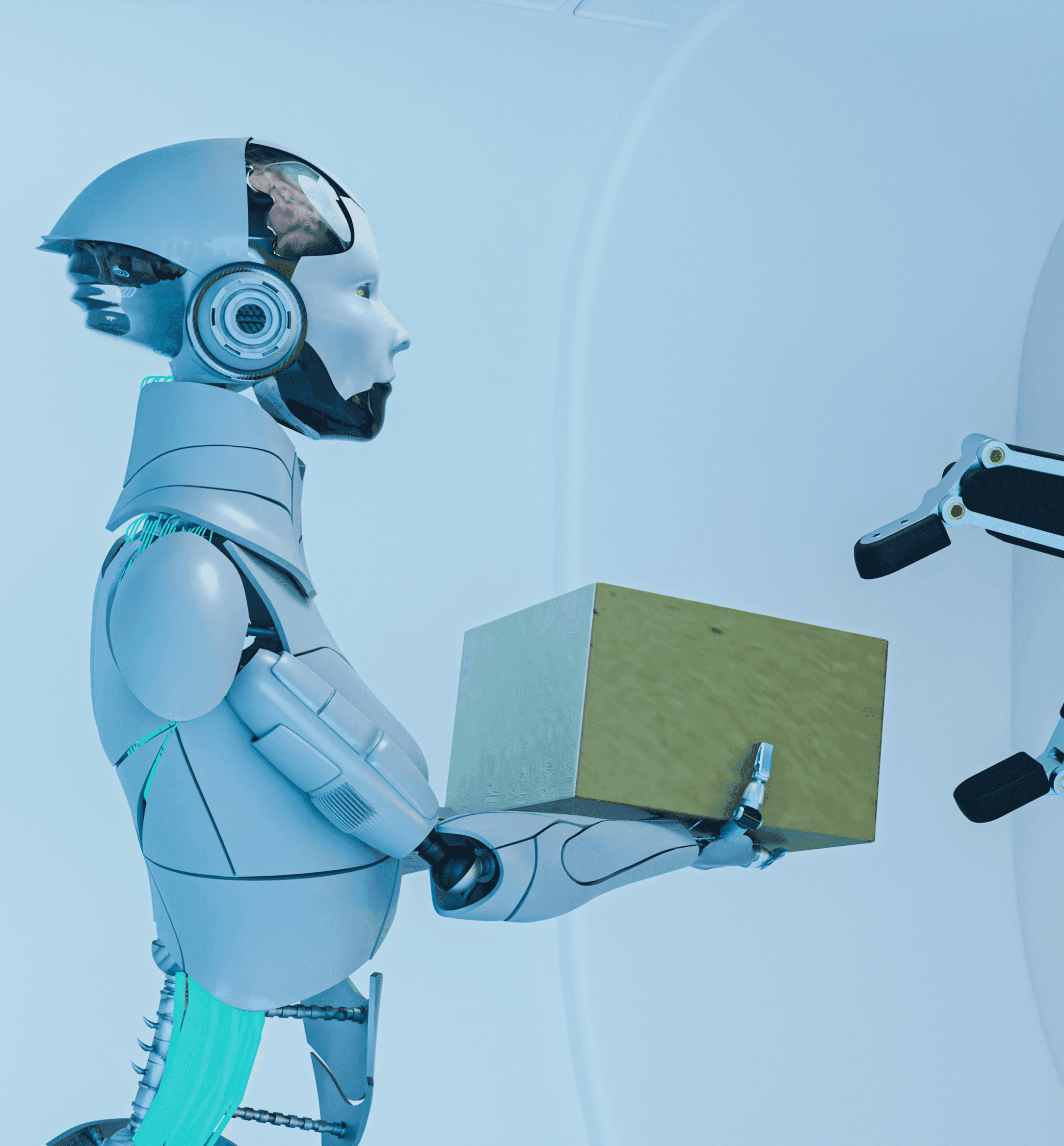
Choose the right automation approach, define exceptions and build quality and security into the operating workflow.
Originally published on 21 March 2024. Substantively updated by Linkfields Insights on 9 November 2026.
Robotic process automation, or RPA, uses software to carry out repeatable tasks through existing application interfaces. It can help where a process depends on structured inputs and predictable rules, especially when a supported integration is not available. It does not make an inconsistent process reliable simply by running it more quickly.
For an enterprise buyer, the useful question is which work should be redesigned, integrated or automated. RPA is one option in that decision, not a substitute for process ownership or a promise of error-free operation.
Assess the process before RPA implementation
Map the trigger, inputs, decisions and outputs of the process. Include exceptions and the hand-offs between teams, not just the straightforward path shown in a demonstration. Establish who owns the business rule and who can approve a change to it.
Look for unnecessary steps before automating them. If employees repeatedly move the same information between applications, ask whether an API or a workflow redesign would be more appropriate. Screen-based automation may depend on interface behaviour that changes during a platform upgrade.
Linkfields Digital Transformation combines Automation & RPA with integration services and application modernisation. That combination allows the engagement to consider the process and its systems together rather than treating every manual task as a bot candidate.
Choose a bounded first workflow
An illustrative starting point is a reconciliation workflow with known inputs, explicit rules and a person responsible for exceptions. Agree the permitted data and the acceptance criteria before building. If the input quality or business rule is uncertain, resolve that uncertainty rather than transferring it into automation.
Include incomplete records, duplicate inputs, an unavailable application and a partially completed transaction in testing. Define what the automation should do when it cannot safely continue. A controlled stop and a clear queue for human review can be more useful than an attempt to recover without supervision.
Build security and quality into operation
Automation identities should have only the access needed for their task. Agree how credentials are issued, stored, rotated and revoked. Avoid using an employee’s personal account as the permanent identity for an unattended business process.
Record the action taken, relevant transaction reference and exception status without collecting unnecessary sensitive information. Give an operational owner a way to identify failure, pause the workflow and resume it under controlled conditions. Do not assume that a successful pilot establishes ongoing service availability.
Test regression when source applications, interfaces or business rules change. Linkfields testoriumz supports continuous quality engineering through test management, low-code automation, AI root-cause analysis and CI/CD integration. These capabilities can support assurance around automated workflows; accountable reviewers still decide whether the evidence meets the agreed criteria.
Add AI only where its role is clear
Some workflows involve unstructured documents or decisions that are not suited to a fixed rule. AI may help interpret information or propose a next step, but its output requires controls appropriate to the business consequence. Separate an AI suggestion from permission to execute an action.
The Linkfields Intelligent Workflow Automation accelerator family includes workflow automation, AI orchestration, application integration and underwriting optimisation. Its relevance depends on the process and data in scope. Reusable IP should be tailored to the organisation’s requirements rather than presented as a pre-approved decision-maker.
Measure the whole process
Agree a baseline that includes manual effort, exception handling, rework and completion time. After deployment, review whether the process has improved against that baseline and whether work has shifted into an unseen support queue. Bot activity is not the same as business value.
The Intelligent Operations value play connects process discovery, redesign and automation across systems and customer channels. Explore Automation & RPA, integration services and Intelligent Workflow Automation, or discuss the workflow you want to improve.
Share this perspective


